
Why we wrote a design guide
By James McNicoll
Oxford loves cycling. We’re very good at it. We do it in rain, on narrow medieval streets, while balancing bags of groceries, and occasionally while reciting Latin. What we’re less good at? Designing cycle lanes that actually work for everyone.
The problem we all recognised
For years, Oxford’s cycling infrastructure was like a game of Tetris played by people who’d never seen the game before. We’d squeeze a cycle lane into a narrow street, add some shared paths, throw in a confusing junction or two, and hope for the best.
The result? Shared paths so narrow that pedestrians and cyclists spent their whole journey doing an awkward dance of negotiation. Multiple route options that were all equally uncomfortable. Junctions that worked brilliantly if you were driving a bus but terrifying if you were eight years old on a bicycle.
Small wonder that people who didn’t have to cycle found reasons not to. Children got driven. Older people decided cycling wasn’t for them anymore. People with disabilities were politely discouraged.
The people who looked at what works
So Cyclox did something sensible. They looked at what cities like Cambridge, Copenhagen, Seville and Amsterdam had figured out. They checked what the government’s own design guidelines recommended. They talked to cyclists of all ages and abilities about what made them feel safe.
Then they wrote it all down.
Turns out, when you actually ask people “What would make you cycle?” the answer isn’t complicated. Safe junctions. Protected lanes. Good lighting. Proper maintenance. Cycle parking that doesn’t require a PhD to locate. Things you’d think would be obvious, but somehow weren’t.
Some things got better (eventually)
Iffley Road now works properly for most cyclists. Parking came out. Speed limits dropped. Cycle provision went in. It happened because someone asked the question: “Why should drivers get four lanes’ worth of infrastructure while bikes get the gutter (complete with drains)?”
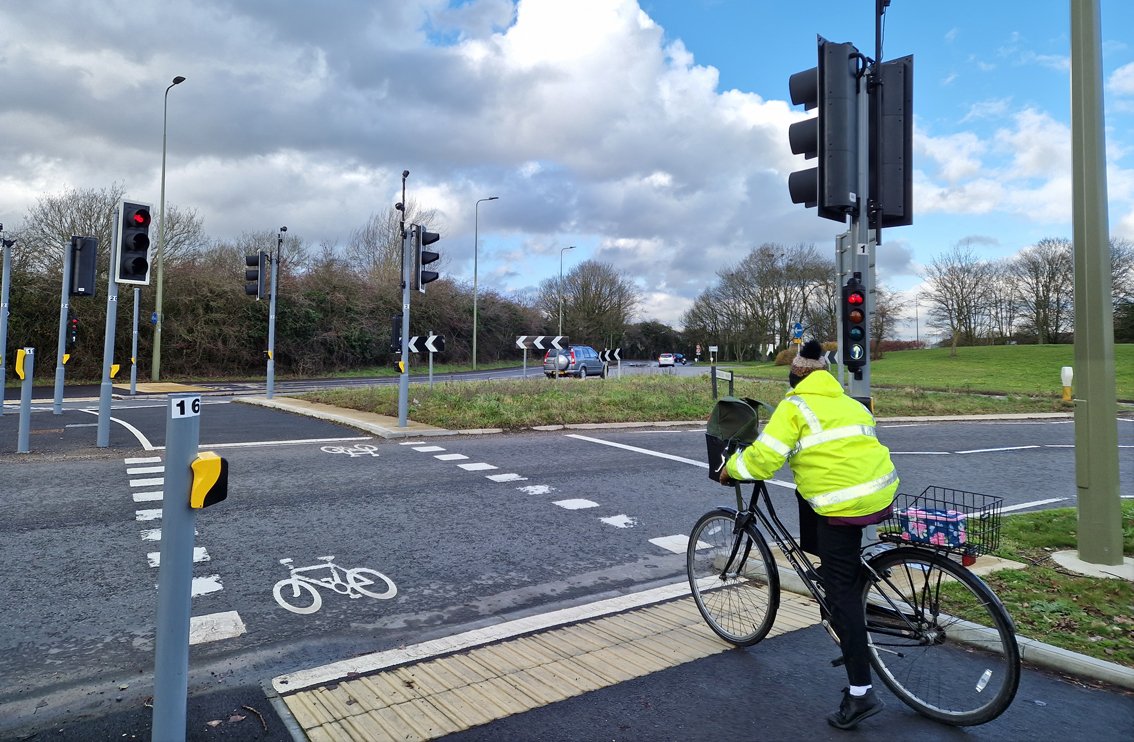
Contraflow cycling on South Parade means people can now cycle both directions on a low-speed one-way street. Early-start green signals at a few junctions let cyclists start to cross when traffic isn’t bearing down on them. These aren’t revolutionary. But they work.
Worth mentioning though, one small improvement did take three years. Three years, for something relatively straightforward. Probably explains why Cyclox added “Actually, can we do this faster?” to its list of priorities.
Other changes were more difficult to introduce, but the statistics show Oxford’s new low-traffic neighbourhoods reduced collisions by half. Half!
- Children can cycle to school without their parents clutching their pearls.
- Women cyclists, people with disabilities, and older riders feel genuinely welcome.
- E-bikes are actually useful rather than expensive status symbols.
- People stop getting injured because of inadequate design.
It turns out that when you make cycling (and walking) safe and pleasant, more people do it. Astonishing finding, really.
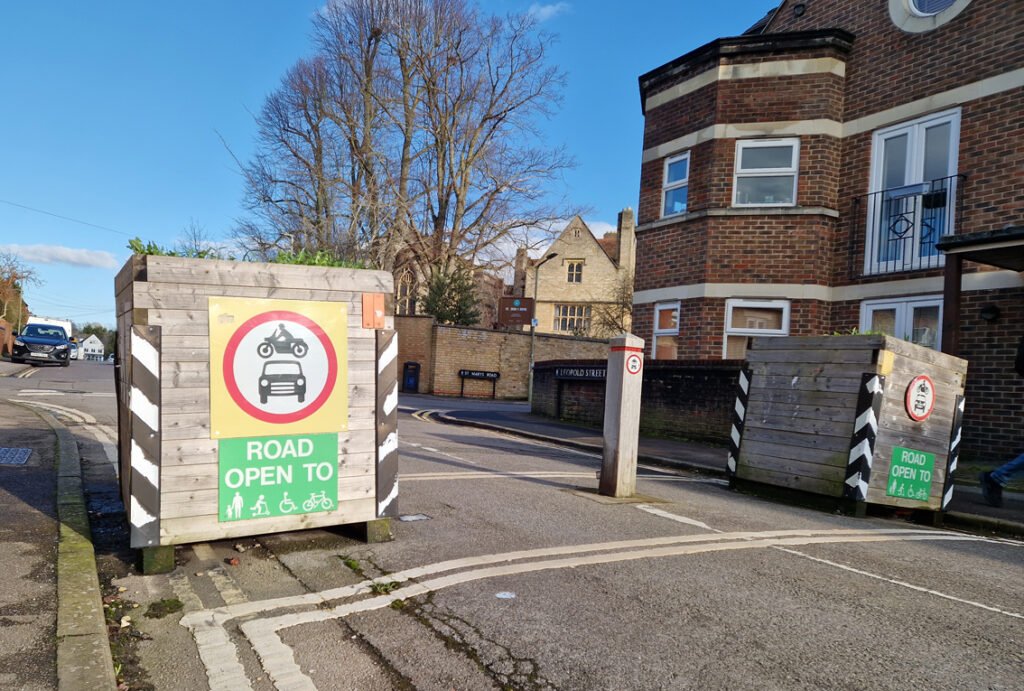
Oxford’s new low-traffic neighbourhoods reduced collisions by half
The design guide
What did Cyclox create? A clear guide that says, “Here’s what good looks like. Here’s what we know works. Here’s what we’ll be asking for, and here’s what we’ll politely but firmly push back on.”
It covers a lot: Protected cycle lanes with safe kerbs. Junctions that prioritise pedestrians and people on bikes. Adequate lighting. Maintenance plans. Secure parking. All the stuff that makes cycling actually possible for humans of varying ages, abilities and confidence levels.
The brilliant bit is that it sets a standard. Now, when someone proposes a questionable design, Cyclox can point to it and say, “Actually, here’s a better way–and here’s why it works.”
What happens next
The real change isn’t any single improvement. It’s that cycling won’t be an afterthought anymore. Not because the councils and developers suddenly developed a passion for bikes, but because someone finally said: “Here are the rules. Here’s the evidence. Let’s build something that actually works for everyone.”
Oxford’s already a city where there are many cyclists, but a cycling city? The design guide is just making sure it becomes one where everyone – not just the fearless –feels welcome on a bike.